Home / Services / Roof Insulation
Residential & Commercial
Roof Insulation Calgary
Some roofs have no attic to fill. Vaulted ceilings, finished attics and low-slope commercial decks are insulated at the roof line itself.
Roof Line, Not Attic Floor
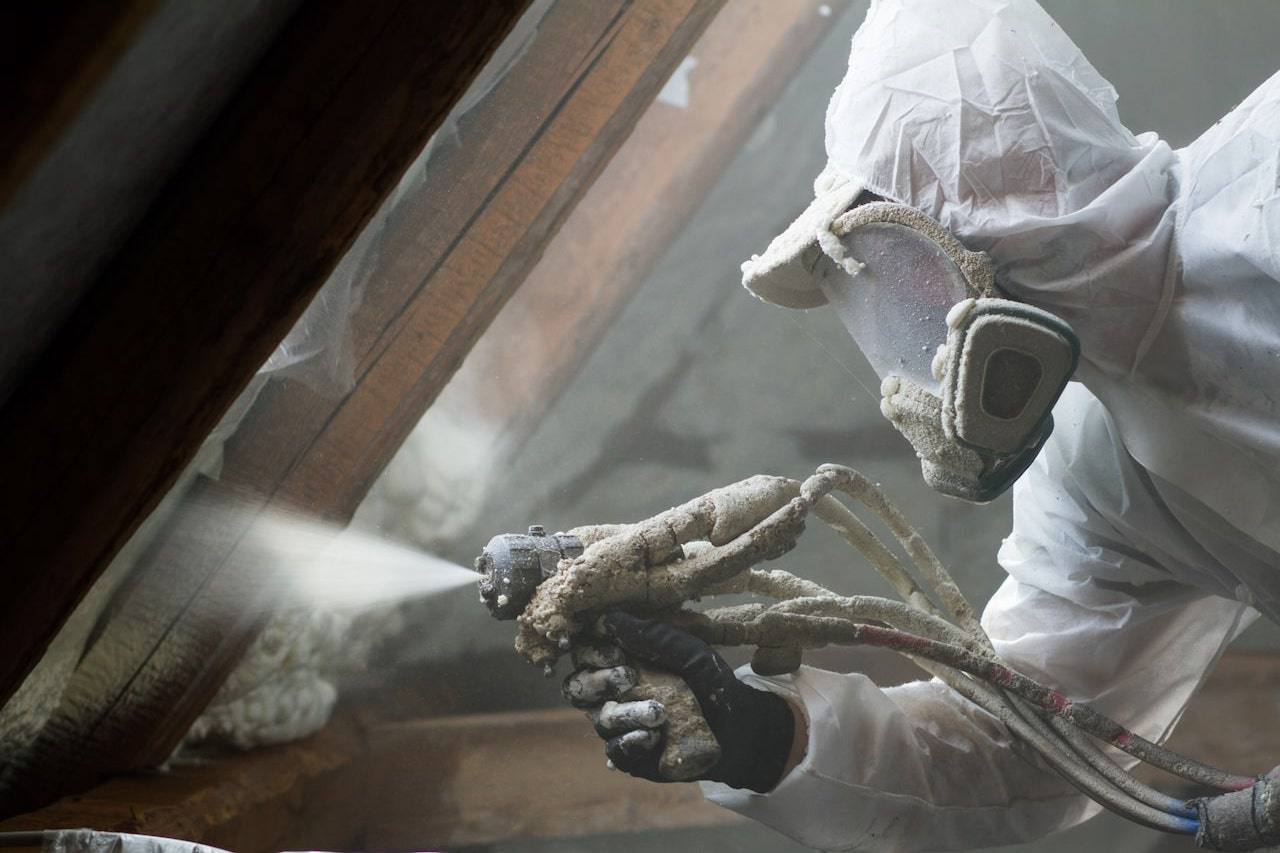
Most insulation work happens on an attic floor, with the attic left vented and outside the building envelope. Roof insulation is the other approach: the foam goes against the underside of the roof deck, which brings the whole volume beneath it inside the envelope. That is the right answer for a vaulted ceiling with no attic above it, for a converted or finished attic, and for any roof where mechanical equipment or ductwork sits in the space below.
Vaulted and Cathedral Ceilings
A vaulted ceiling has no attic to fill, so the insulation has to live in the rafter cavity itself, and that cavity is usually shallower than the R-value would like. Closed cell foam delivers more R per inch than anything else that fits there, and it air seals the assembly at the same time, which matters because a vaulted ceiling has no buffer space between the living area and the cold deck above it.
Low-Slope and Commercial Roofs
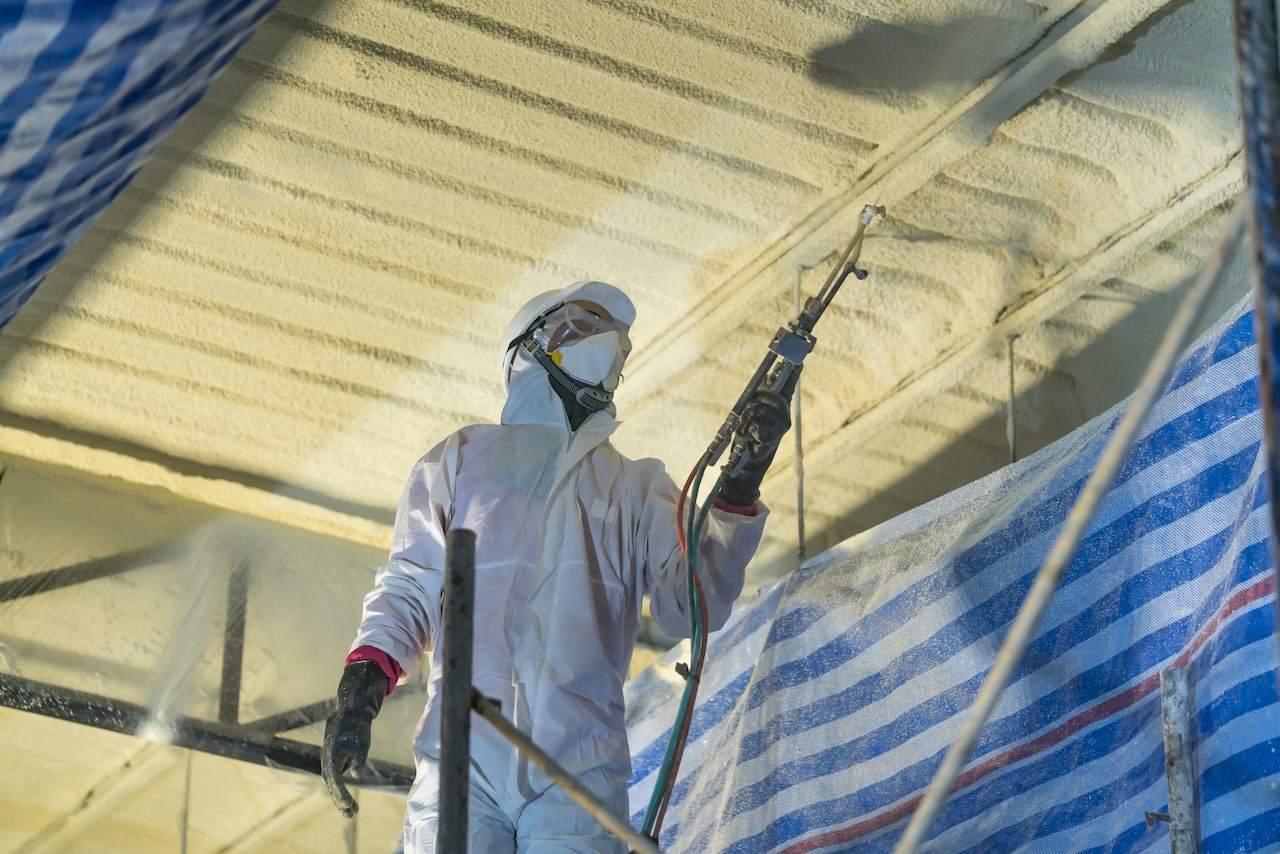
On a flat or low-slope commercial roof the assembly is different again, and the questions are about the existing membrane, the deck material and where the vapour control sits. Spray foam applied to the underside of the deck insulates and air seals in one pass without disturbing the roof surface above. What matters is understanding the whole assembly before adding to it, rather than treating it as a bigger version of an attic.
Ventilation Changes When a Roof Is Sealed
A vented roof assembly relies on airflow between the insulation and the deck to carry moisture away. Sealing the deck with foam removes that airflow by design, because the assembly is now unvented and the foam itself is managing vapour. That is a deliberate change to how the roof behaves, not a side effect, and it needs to be planned and explained rather than discovered later. Anyone sealing a roof line should be able to tell you what is handling moisture afterwards.
Questions
Common questions
Is spray foam insulation waterproof?
Closed cell foam resists bulk water and does not absorb it the way fibrous insulation does, but it is not a roofing membrane and should never be treated as one. It is insulation and an air barrier. The roof surface above still does the job of keeping water out.
Can you insulate a vaulted ceiling?
Yes, and it is one of the clearest cases for closed cell foam, because the rafter cavity is usually too shallow for other materials to reach a useful R-value.
Do you work on commercial and low-slope roofs?
Yes. The assembly questions are different from a house and we look at the existing deck and membrane before recommending an approach.
Will sealing the roof deck cause moisture problems?
Not when it is done deliberately. The assembly becomes unvented and the foam manages vapour, which is a planned change we will explain before the work rather than leave you to discover.
Want to know what your project would cost?
Tell us about the property and we'll help you determine the next step.
Free written estimates • No obligation • Local team